Residential Excavation Services in Wenatchee, WA
Digging Around the Home You Are Still Living In
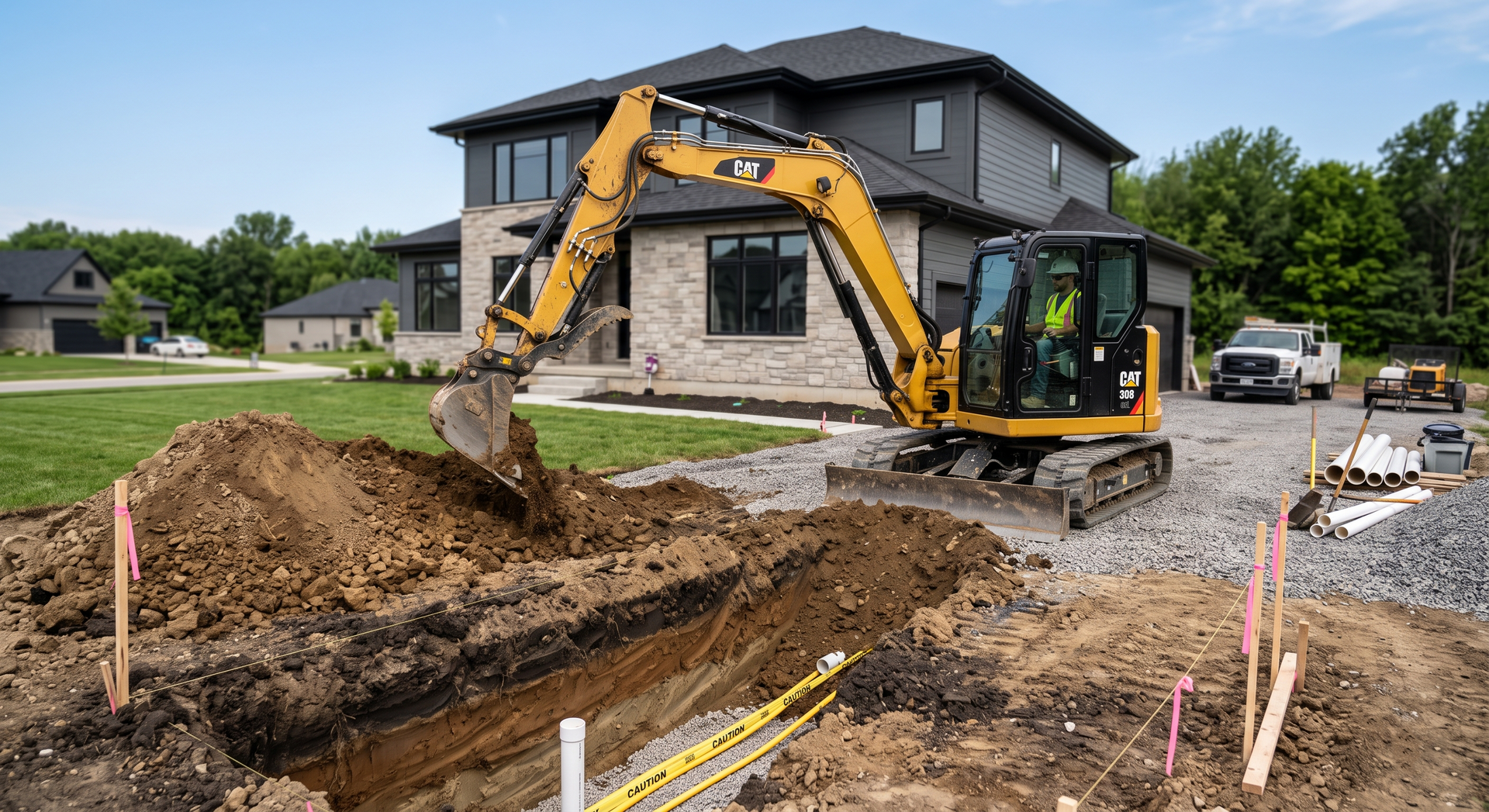
Your yard is not a construction site, not until the excavator rolls through the gate. Gates Brothers Excavationperforms residential excavation for homeowners in Wenatchee, WA and across East Wenatchee, WA, Cashmere, Leavenworth, and the wider Wenatchee Valley. This page covers digging on occupied properties and new home sites: basements, crawl spaces, retaining wall cuts, pad excavation for pools and shops, and reshaping yards that never drained the way they should.
Isaac Gates founded our operation in 2017 and brings 15+ years of digging valley ground, and he is the one you talk to before, during, and after the work. Homeowners hear a plain description of what happens each day, where equipment travels, and what the yard will look like when we finish. We protect what we can, repair what we disturb, sweep hard surfaces daily, and take 10% off for veterans and first responders. Start with our estimate request form.
Residential Excavation We Provide
New Home Site Preparation
Raw lots become buildable through clearing, stripping, and cutting a level building envelope out of natural terrain. Driveway routes, utility corridors, and drainage paths get roughed in during the same phase so the property functions as a home site rather than a hole.
Basement and Crawl Space Digs
Living space below grade starts with a hole cut wide enough for forms, waterproofing, and a working crew. Depths follow the plan, walls are cut back for safe access, and spoil is stockpiled where it will become backfill instead of clutter.
Retaining Wall Cuts and Backfill
Terracing a sloped yard begins with a clean bench and a stable cut behind the wall line. After block or timber goes up, we place drain rock and compacted backfill in lifts so the wall holds ground instead of slowly leaning into it.
Pool and Shop Pad Excavation
Pools, detached garages, and outbuildings each need a flat, compacted footprint sized past the structure itself. Access is planned first, because reaching a backyard between a fence and a house usually decides which machine can realistically do the digging.
Yard Reshaping and Drainage Correction
Water pooling near the house, dying lawn on a hot bank, or a slope too steep to mow all come down to contour. Regrading redirects runoff away from the foundation and turns awkward ground into space the family can actually use.
Lawn, Driveway, and Fence Protection
Getting equipment to the work usually means crossing something you paid for. Track mats, plywood runs, temporary fence panel removal, and planned turnaround points keep concrete uncracked, sod intact, and irrigation heads out from under a steel track.
Why Careful Excavation Protects Your Property
A Yard You Still Recognize Afterward
Nobody wants the project finished and the rest of the property wrecked. Protecting travel routes, saving topsoil, and restoring disturbed areas means the lawn, driveway, and planting beds outside the work zone look much the way they did beforehand.
Answers Before the Machines Show Up
Knowing where the excavator enters, how long the noise lasts, and when your driveway is blocked lets you plan around the work. Homeowners who understand the sequence spend far less time worrying about what is happening outside their windows.
Usable Space Where a Slope Once Sat
Steep ground swallows usable square footage. Cutting a level bench for a patio, shop, garden, or play area converts land you always avoided into space you actually use, and often improves how water leaves the property at the same time.
Water Pushed Away From the House
Wet crawl spaces, damp basement walls, and soggy lawn corners usually start with finish grade sloping the wrong direction. Correcting contour during excavation solves the underlying cause instead of treating symptoms with pumps and patches for the next decade.
Lower Repair Costs After the Work
Broken sprinkler mains, cracked driveway slabs, snapped fence posts, and rutted lawn all become your bill later. Deliberate access planning up front costs nothing extra and removes most of the hidden cleanup expense homeowners never think to budget for.
A Clean Site at the End of Each Day
Everyday life beside a project is much easier when the mess stays contained. Piles kept tidy, driveways swept, equipment parked out of the way, and debris hauled off regularly means the property stays livable while construction continues around you.
Prepare Your Property for What Comes Next
Homeowners remember two things about excavation work: whether the finished result did what it promised, and whether the crew respected the place they were standing on. Gates Brothers Excavation built its name in Wenatchee, WA on both, with an owner running the machine, updates you do not have to chase, and yards left in shape rather than ruin. Whether you are planning a basement, terracing a hillside, prepping a shop pad, or finally fixing the corner of the lawn that never drains, there is no cost to talking it through and no obligation attached. Describe your project through our estimate request form and we will take a look.
FAQs - Frequently Asked Questions
Will heavy equipment damage my lawn and driveway?
Some disturbance along the travel route is unavoidable, but most damage is preventable. Mats, plywood, planned turning points, and machines matched to the access keep tracks off soft turf and spread weight across concrete instead of cracking it.
How much room does an excavator need to reach a backyard?
Compact track machines fit through most standard gate openings, while larger excavators need a gate or fence section removed. Measuring the tightest pinch point on the property decides which machine can physically reach the work long before anything is scheduled.
How long does a typical home excavation take?
Small pads and trenches often finish within a day or two, basements usually run several days, and full home site preparation can take a week or more. Soil conditions, rock, weather, and haul distance all shift that timeline in either direction.
Do sprinklers, fencing, or landscaping need moving first?
Anything valuable inside the work zone should come out beforehand, and we will identify those items together during the walkthrough. Irrigation lines especially, since buried private piping rarely shows on a public utility locate and repairs get expensive quickly.
What happens to the topsoil stripped from my yard?
Good topsoil is stripped separately and stockpiled on site rather than mixed into subsoil or hauled off the property. Once rough grading is finished, it goes back over the graded areas so new lawn and planting beds establish properly.
Can a basement be dug on a sloped lot?
Sloped lots often make a daylight basement easier to build than flat ground does. The cut is benched into the hillside, uphill soil is retained or laid back, and drainage is designed to carry runoff around the excavation.
Will my neighbors be affected during the work?
Noise, truck traffic, and dust are the usual concerns, and all three shrink with planning. Gates Brothers Excavation has spent 15+ years keeping Wenatchee, WA job sites tidy, working daytime hours, and speaking with adjacent owners before access runs near a shared line.
What condition is the property left in when digging ends?
Ground is shaped to drain, surplus material is hauled off, topsoil is respread where planned, and hard surfaces are swept clean. Gates Brothers Excavation leaves Wenatchee, WA properties ready for concrete work, landscaping, or whichever trade comes next.