Septic System Excavation Services in Wenatchee, WA
The Dirt Work Behind a Septic System That Sits Right
Cobble, hardpan, and old orchard ground decide how a septic dig really goes. Gates Brothers Excavation handles septic system excavation across Wenatchee, WA, along with East Wenatchee, WA, Cashmere, and Chelan County, covering tank holes, drain field trenching and access digs for repair or inspection work. Every dig on these sites starts from the approved plan already in hand rather than a guess at the layout.
We are a licensed septic installer with 15+ years of hands-on excavation behind us, and Isaac Gates runs the machine on site rather than checking in by phone. Our part is the earthwork: digging to the elevations your licensed designer set, coordinating with that designer and the county, and keeping the rest of your property intact while we do it. Veterans and first responders receive 10% off. Send the design and site details through our estimate request form and we will walk the ground with you.
Septic Excavation We Handle
Septic Tank Hole Excavation
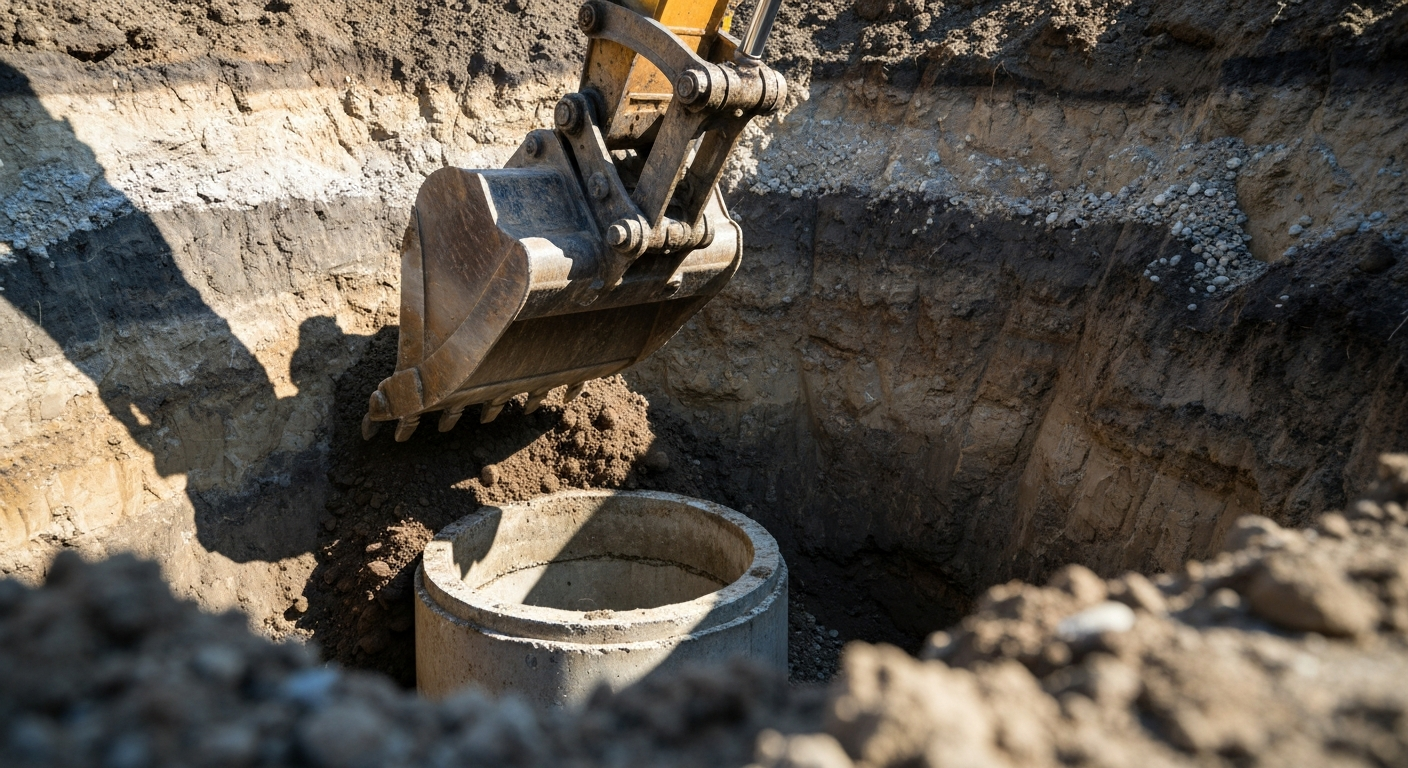
Tank pits get cut to the depth the approved design calls for, with a flat, undisturbed bearing surface at the bottom so the tank sits without rocking or settling later. Bedding material goes in wherever ground conditions ask for it.
Drain Field Trench Cutting to Grade
Laser and grade control keep every trench bottom running true across the disposal area, since a trench that dips or climbs pushes effluent toward one end. Widths and spacing follow the plan sheet exactly, with squared corners and clean sidewalls.
Uncovering Tanks and Lids for Pumping or Inspection
Buried lids and risers get exposed cleanly so a pumper or inspector can work without hunting for them. We probe and hand dig near the tank top to avoid cracking concrete, then backfill and grade once the visit wraps up.
Repair Access Digging for Failed Lines and Baffles
Repair crews need the broken part in the open and room to swing tools. Excavating a tight, shored hole over a collapsed line, a failed baffle or a cracked lid gets them working sooner and keeps the disturbance narrow.
Digging in Rocky and Cobbly Valley Ground
River cobble, buried boulders and stubborn hardpan show up often in valley soils and old orchard ground. Matching bucket, breaker, and machine size to what the ground gives keeps a dig moving instead of stalling out halfway through the day.
Spoil Placement, Backfill and Site Restoration
Excavated material gets stockpiled where it will not block access or wash back into an open trench, then reused as backfill or hauled off. Track mats, planned routing and final grading leave the lawn and driveway close to how we found them.
Why Accurate Excavation Matters for Septic Performance
Holes That Match the Approved Design
Your designer's numbers only help if somebody digs to them. Earthwork that follows the elevations, widths, and separations on the plan means inspection goes smoothly and nobody is reworking a hole after the fact or paying for the same dig twice.
Rock Stops Being a Budget Surprise
Hitting a buried boulder partway down derails a schedule fast. Walking the site first, reading the soil and bringing the right iron from the start keeps difficult ground from turning into a string of change orders you never planned for.
Your Yard Survives the Machines
Heavy equipment leaves a mark when nobody plans its path. Mats over soft turf, one thought-out route in and out, and stockpiles kept off lawn and landscaping mean the cleanup after a septic dig is grading, not replanting the whole yard.
Your Plumber or Pumper Gets Straight to Work
Nobody wants a service truck billing time while somebody guesses where a lid is buried. Having the tank open, the area clear and the ground stable when the other crew arrives shortens their visit and shrinks the bill that follows.
One Owner Answering for the Excavation
Split responsibility is how details fall through. With the owner running the machine and talking directly to your designer and the county inspector, questions about depth, grade or access get settled on the spot instead of bouncing between offices.
A Site You Can Actually Use Afterward
An open excavation is a hazard and an eyesore. Trenches closed out, spoil dealt with, ruts smoothed and the ground shaped so runoff moves away from the system means the property goes back to being a yard, not a work zone.
Ground That Was Dug Right Stays Quiet for Decades
A septic system spends its whole life underground, which is exactly why the digging deserves attention nobody ever sees again. Gates Brothers Excavation treats the excavation in Wenatchee, WA as its own craft: the correct depth, a bearing surface that will not settle, trenches sitting true, and a yard that looks cared for when the equipment leaves. If you have an approved design ready or a tank that needs uncovering this month, there is no rush and no pressure from us. Send the plan and a few site details through our contact page or estimate request form, and we will tell you honestly what the ground is likely to give you.
FAQs - Frequently Asked Questions
Do I need an approved septic design before excavation can start?
Yes. A licensed designer or the health department produces the design and soil evaluation, and the county reviews and approves it before construction. We dig strictly to that approved plan, so having it in hand keeps the excavation from being redone later.
How do you know where to dig for a buried septic tank?
Probing, as-built records and visual clues such as settled ground or an odd mowing pattern usually narrow the search down quickly. Once the tank edge is found, digging slows and the last material over the lid comes off by hand.
What happens if solid rock shows up in the excavation?
Rock changes the method, not the plan. With 15+ years digging around Wenatchee, WA, Gates Brothers Excavation brings a breaker or rock bucket when conditions call for it, and your licensed designer approves any layout change before the excavation continues.
Will machines wreck my driveway or lawn getting to the site?
Not with a route planned before anything rolls in. Mats spread the load on soft ground, tracked machines stay off finished concrete where possible, and the approach path is picked to keep traffic away from irrigation and landscaping.
Can you dig a septic system when the ground is frozen or saturated?
Often yes, though seasonal conditions change the approach and the schedule. Frozen crust gets ripped open before digging, and saturated spring ground may mean waiting a week so trench walls hold and the disposal area is not compacted while soils stay soft.
Where does all the excavated soil end up?
Usually right on the same site. Suitable material gets stockpiled clear of the open excavation and then reused as backfill or shaped into finish grade, and whatever is unusable, rocky or surplus gets hauled away before we call the job done.
How long does septic excavation take on a typical property?
Access, soil conditions and system size drive the schedule more than anything else. Straightforward ground with an open approach moves quickly, while rock, steep slopes, tight lots or a large disposal area stretch the work out over additional days on site.
Do you handle the whole septic installation or only the digging?
Both are available. Gates Brothers Excavation is a licensed septic installer serving Wenatchee, WA and the surrounding valley, so we can install a system to an approved design or simply provide the excavation support for whoever else is doing the work.