Septic System Installation Services in Wenatchee, WA
A Septic System Is Only as Good as the Day It Went In
Most septic failures trace back to how the system was put in the ground, not to the design on paper. Gates Brothers Excavation handles septic system installation for homes, shops, and small commercial buildings in Wenatchee, WA, and throughout East Wenatchee, Cashmere, Chelan, and Douglas County. This page walks through the components we set, the tolerances we hold, and what separates an install that lasts from one that gets dug up.
Our septic installation work is licensed, and we install to the approved design without shortcuts to the bedding, the baffles, or the backfill. Isaac Gates is on site for the work, bringing 15+ years of excavation in valley and foothill ground, which is why lids end up where you can find them and the finish grade gets raked out. Veterans and first responders receive 10% off. Tell us what your designer specified through our estimate request form.
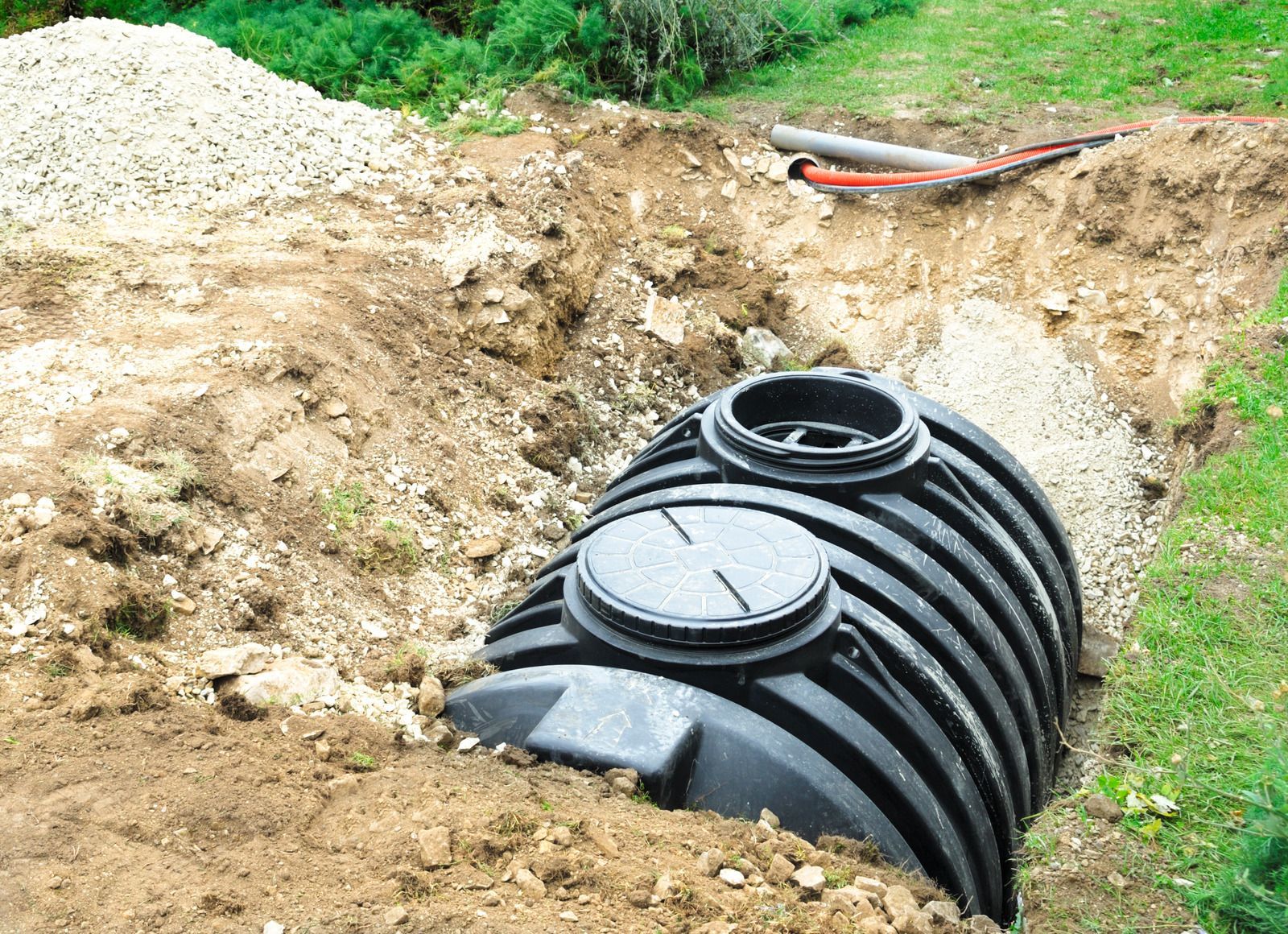
Septic Systems We Install
Tank Setting on a Compacted Bed
Bedding does the work here. We excavate to grade, remove rock that could point-load the shell, compact and level the base material, then set the tank so it sits flat and stays flat once it is full.
Inlet and Outlet Baffles
Every tank has two jobs at its ends: slow the incoming flow so solids settle, and draw clear liquid from the middle of the column on the way out. We set both baffles at the design elevations and confirm both are sealed.
Risers and Lids Brought to Grade
Buried lids cost you money every time the tank needs service. We stack risers from the tank openings up to finish grade and set secure lids at the surface, so pumping and inspection never start with a shovel and a guess.
Distribution Boxes and Pressure Manifolds
Splitting flow evenly is what keeps one section of a field from taking the whole load. Gravity systems get a level distribution box with outlets balanced across the laterals, while pressure systems get a manifold sized and plumbed to the design.
Pumps, Floats, and Control Panels
Pressure and mound systems depend on a pump chamber that switches on and off at the right levels. We install the pump, set float heights, wire the control panel with a high-water alarm, and test the cycle before anything gets covered.
Effluent Filters and Building Line Connections
Filters at the tank outlet catch the fine solids a baffle misses, and they pull out for cleaning in a minute if the riser is there. The line from the building is laid at consistent fall with bedded pipe and no bellies.
Why Proper Installation Supports Long-Term Performance
Flow That Behaves the Way It Was Drawn
When elevations and fall are held through every connection, waste moves by gravity the way the engineer intended instead of pooling in a low spot. You get a system that works quietly rather than one that needs coaxing every few months.
Service Access You Do Not Have to Dig For
Risers and lids at the surface turn a pump-out into a scheduled appointment instead of an excavation project. The pumper finds the openings in seconds, and you are not paying someone to hunt across the lawn with a probe rod.
Solids That Stay in the Tank Where They Belong
Working baffles and a clean effluent filter keep grease and grit from reaching the disposal lines, which is the single most common way a field gets choked off early. The tank absorbs the abuse so the soil never has to.
Even Loading Across the Whole Disposal Area
Balanced outlets spread effluent across every lateral instead of drowning the first one, so the full disposal area does its share. You end up using the capacity that was designed and paid for, not a fraction of it.
A Warning Before You Have a Mess
An alarm wired into the control panel tells you a pump or float has failed while there is still room in the chamber. That warning is the difference between a service call on Tuesday and a backup in the laundry room.
A Tank That Has Not Moved Since the Day It Was Set
Compacting the backfill in lifts keeps a tank from tipping, floating, or settling out of level, and a tank that stays put keeps its inlet and outlet elevations. Decades later the flow line is still exactly where it started.
The Details You Never See Are the Ones That Last
Nobody admires a septic install, which is the whole point of doing it right the first time. Gates Brothers Excavation sets tanks, baffles, filters, and lines to the elevations the design calls for on properties throughout Wenatchee, WA, then leaves the site graded and cleaned up rather than rutted. If you have an approved design in hand and want it built by someone who treats the bedding and the backfill as seriously as the tank itself, we are glad to look at it. Send the plan and the property details through our estimate request form and we will get you a straight answer.
FAQs - Frequently Asked Questions
Why does a septic tank have to sit perfectly level?
Because the inlet and outlet elevations control how the tank separates solids, and a tilt changes both. A tank out of level can push scum toward the outlet or hold liquid against the inlet, which shortens the life of the field.
What do the baffles inside a septic tank actually do?
They control turbulence and where liquid enters and leaves. The inlet baffle keeps incoming flow from stirring the settled layer, and the outlet baffle draws from the clear middle zone so scum and sludge stay behind in the tank.
Should septic risers be brought all the way to the surface?
Yes, in almost every case, since buried lids make routine pumping and inspection expensive. Gates Brothers Excavation brings risers to grade on installs around Wenatchee, WA unless a design or a specific site condition calls for something different.
What is a distribution box and does every system need one?
It is a small chamber that splits effluent from the tank into the individual drain field laterals. Gravity systems generally use one, while pressure and mound systems use a pumped manifold with drilled orifices to do the same job.
When does a septic system need a pump instead of gravity?
Whenever the disposal area sits higher than the tank or the design calls for timed, pressurized dosing. Sloped lots, shallow soils, and mound or sand-filter systems commonly need a pump chamber with floats and a control panel.
How often does an effluent filter need to be cleaned?
Most get rinsed at every pumping, though a household running a garbage disposal or heavy laundry loads may need it sooner. Slow drains across the whole house are often the first sign the filter is loading up with solids.
How much fall does the pipe from the house to the tank need?
Enough for a consistent, gentle slope the whole run, with no sags and no steep drops that let liquid outrun solids. With 15+ years of installs around Wenatchee, WA, Gates Brothers Excavation beds that line so it holds its grade.
Can backfilling damage a brand new septic tank?
Easily. Dropping rock or frozen chunks against a shell, backfilling unevenly, or running equipment too close can crack, shift, or tip a tank, so material goes in around it in lifts rather than all at once from one side.